Learn How a General Contractor (GC) Can Enhance Efficiency and Ensure Success in Your Building Endeavors
A commercial general contractor is fundamental in the construction field. This expertise simplifies project oversight, leading to greater efficiency and successful outcomes. By managing communication among stakeholders and utilizing their network with subcontractors, they assist in navigating the complexities of building endeavors. Knowledge of local codes also mitigates potential compliance issues. This raises an important question: how do these factors come together to improve the building process?
The Role of a GC
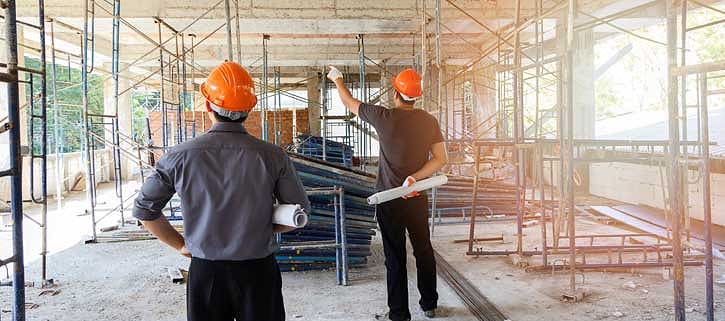
A GC directs the complicated workflow of building projects, guaranteeing everything runs efficiently from inception to completion. They serve as the main point of contact, managing communication among various involved parties, including owners, subcontractors, and vendors. This role involves careful organization, scheduling, and budgeting to meet project timelines and budgetary limits.
The contractor supervises all building work, making sure they follow with building codes, safety regulations, and quality standards. They are responsible for obtaining necessary permits and addressing any legal requirements related to the project. In addition, they supervise the labor force, delegating work to qualified workers while monitoring performance and productivity.
In addition to managing day-to-day work, the contractor resolves any problems or delays that arise, adjusting strategies as necessary to keep the project on track. This comprehensive management is essential for lowering risk and securing the successful completion of commercial construction projects.
Benefits of Hiring a General Contractor
Hiring a general contractor offers numerous advantages that can greatly enhance the efficiency and success of a construction job. One major advantage is their proficiency in handling complex projects, enabling better communication among various parties involved. This unified approach reduces miscommunication and helps avoid setbacks.
Moreover, general contractors possess established relationships with subcontractors and suppliers, guaranteeing prompt access to high-grade supplies and qualified workers. This approach can lead to lower costs and improved project timelines.
They also bring a deep understanding of regional building standards, which helps avoid regulatory problems and costly fines.
In addition, employing a contractor allows project owners to focus on their main business goals, instead of dealing with routine management duties. In conclusion, the involvement of a general contractor can result in a better start here structured, efficient, and successful construction endeavor, which ultimately results in a better ROI.
Core Duties in Construction Oversight
Good project oversight depends on several key responsibilities that a general contractor must copyright throughout the construction process. Central to this role is setting up a clear project scope, which outlines the objectives, deadlines, and cost restrictions. The contractor collaborates with various stakeholders, like architects, specialized contractors, and suppliers, ensuring smooth communication and collaboration.
Additionally, they oversee resource allocation, overseeing workers and materials to maximize effectiveness. Analyzing potential problems is a further crucial task, as the contractor must identify potential issues and put strategies in place to reduce them. Regular progress monitoring is crucial; the contractor reviews progress made relative to key stages, making necessary changes to maintain the timeline.
Moreover, a general contractor ensures adherence to safety rules and construction standards, fostering a secure work environment. Via these tasks, they ensure a comprehensive method for managing projects, leading to total success in building projects.
How General Contractors Ensure Timely Completion
Even though timeline issues often arise in building, general contractors employ strategic planning and proactive management to secure on-time delivery. They start by creating comprehensive schedules that specify all project phases, listing key stages and due dates. When separating the work into smaller tasks, they are able to assign resources efficiently and predict future holdups.
Regular progress monitoring is also a vital element; general contractors assess project status against the established timeline, making modifications as required. They also practice risk assessment, spotting possible problems soon and creating backup strategies to mitigate disruptions.
In addition, general contractors keep solid connections with subcontractors and suppliers, guaranteeing labor and materials are accessible at the right time. This proactive approach fosters accountability for every participant, leading to a smoother operation. In the end, these methods culminate in improved productivity, reducing the likelihood of cost overruns and making sure that jobs are concluded within the timeline.
Enhancing Communication and Cooperation on Location

To boost information flow and cooperation during building projects, contractors put into place formalized methods that facilitate information flow between every member of the team. Such procedures typically involve routine check-ins, unambiguous methods for issue reporting, and the utilization of software that allow for real-time updates. By creating a structure for discussion, contractors ensure that all stakeholders—architects, subcontractors, and workers—agree upon project goals and timelines.
Furthermore, promoting openness allows issues to be resolved quickly, minimizing the chance of misunderstandings that can lead to delays. They also solicit opinions from all levels of the workforce, recognizing that insights from field workers can significantly boost job productivity. By prioritizing communication and collaboration, general contractors not only streamline operations but also boost employee satisfaction, ultimately contributing to the success of construction endeavors. The result is a better integrated workplace where challenges are met with collective problem-solving.
Commonly Asked Questions
What Qualifications Should I Look for in a GC?
When hiring a building professional, one should look for attributes such as licensing, insurance, a history in similar jobs, strong references, and strong interpersonal skills. These factors contribute greatly to effective job completion and overall client satisfaction.
What is the Process for GCs Regarding Project Budgeting?

General contractors manage project budgeting by determining prices, securing bids from subcontractors, keeping tabs on spending, and making budget changes as required. Hickory top rated Commercial General Contractor. They guarantee financial resources are appropriate for the project, optimizing effectiveness and reducing monetary exposure
Can a General Contractor Assist With Permits and Regulations?
Yes, a general contractor can assist with permits and regulations by guiding through the complex requirements, ensuring compliance with local laws, and streamlining the submission procedure, ultimately streamlining project progression and reducing possible holdups for customers.
How Long Does It Usually Take for Selecting a GC?
The average period for hiring a general contractor spans a few weeks to several months, contingent upon the project's intricacy, how available the contractor is, and how quickly the client makes decisions, to ensure proper planning and that goals are aligned with construction. - Hickory top rated Commercial General Contractor
- Hickory top rated Commercial General Contractor
What Methods Do General Contractors Use to Effectively Manage Subcontractors?
Effective management of subcontractors by general contractors is achieved by ensuring communication is clear, establishing specific expectations, regularly monitoring progress, and coordinating schedules. General contractors ensure all parties know their roles, thereby fostering collaboration to maintain project timelines and meet quality requirements.